

Why 316 is better than 304?
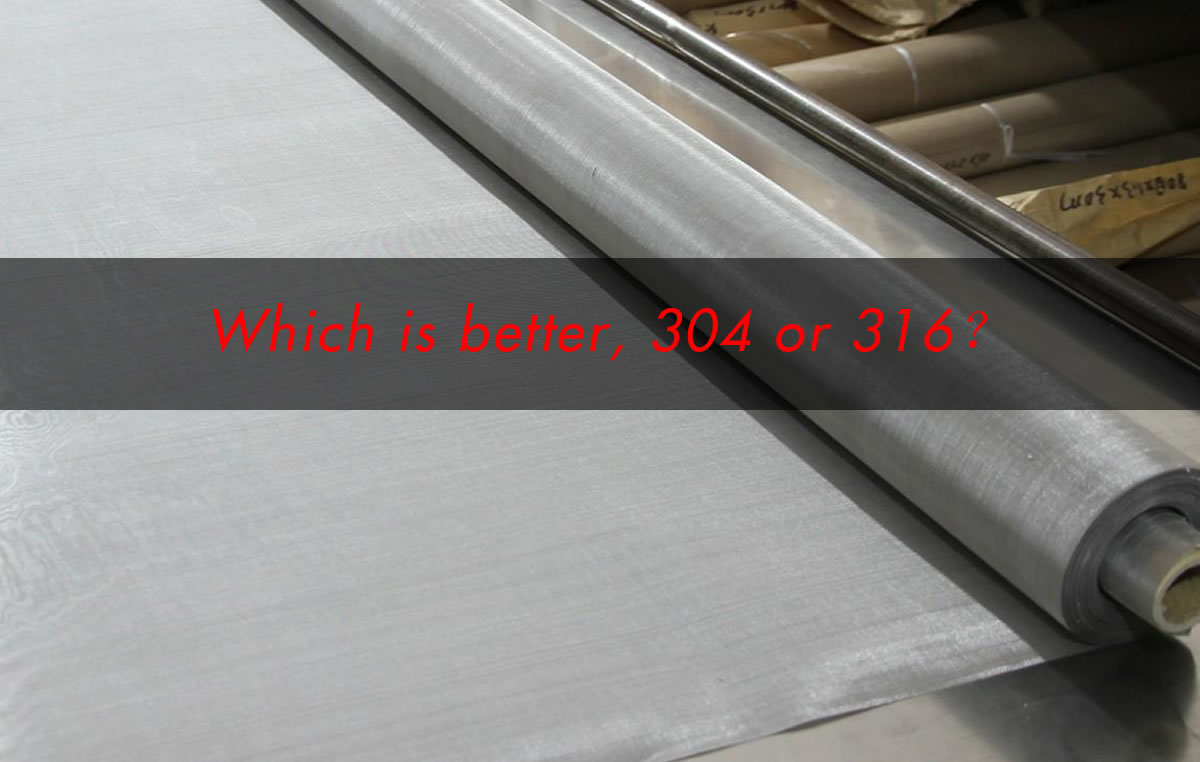
In the context of stainless steel, both 316 and 304 are commonly used grades, each with its own advantages and applications.
316 stainless steel is often preferred over 304 in certain situations due to its higher corrosion resistance, particularly in environments with chloride exposure, such as coastal areas or industrial settings where corrosive chemicals are present. This makes 316 stainless steel more suitable for marine applications or for use in chemical processing industries.
The key difference between 316 and 304 lies in their chemical composition, with 316 containing molybdenum in addition to chromium and nickel found in both grades. This addition of molybdenum enhances the corrosion resistance of 316 stainless steel, making it more resistant to pitting and crevice corrosion compared to 304.
However, 304 stainless steel is still widely used and often preferred in applications where high corrosion resistance is not critical but other properties such as cost-effectiveness, formability, and weldability are important.
So, whether 316 is "better" than 304 depends on the specific requirements of the application. If corrosion resistance in harsh environments is a priority, then 316 might be the preferred choice.


Please send us a message >